

Mid-Week Roquefort
L'Art de vivre, prenez le temps, and everything I learnt from the French.

I believe people are sculptures, shaped by every interaction, experience, and force encountered in their lives. Molded by the clothes they’ve worn, the people they’ve kissed, the streets they’ve walked.
Often, I find myself tracing the cultures chiseled into me over my quarter of a century of life so far, and as the first anniversary since I left Paris—where I lived for two years before New York—has just recently passed, humour me while I dissect the wisdom it contained. While I was already familiar with French culture prior to the move, as with every society, I found that to live within was to unlock a whole new level of access from which to soak up and absorb its goodness.
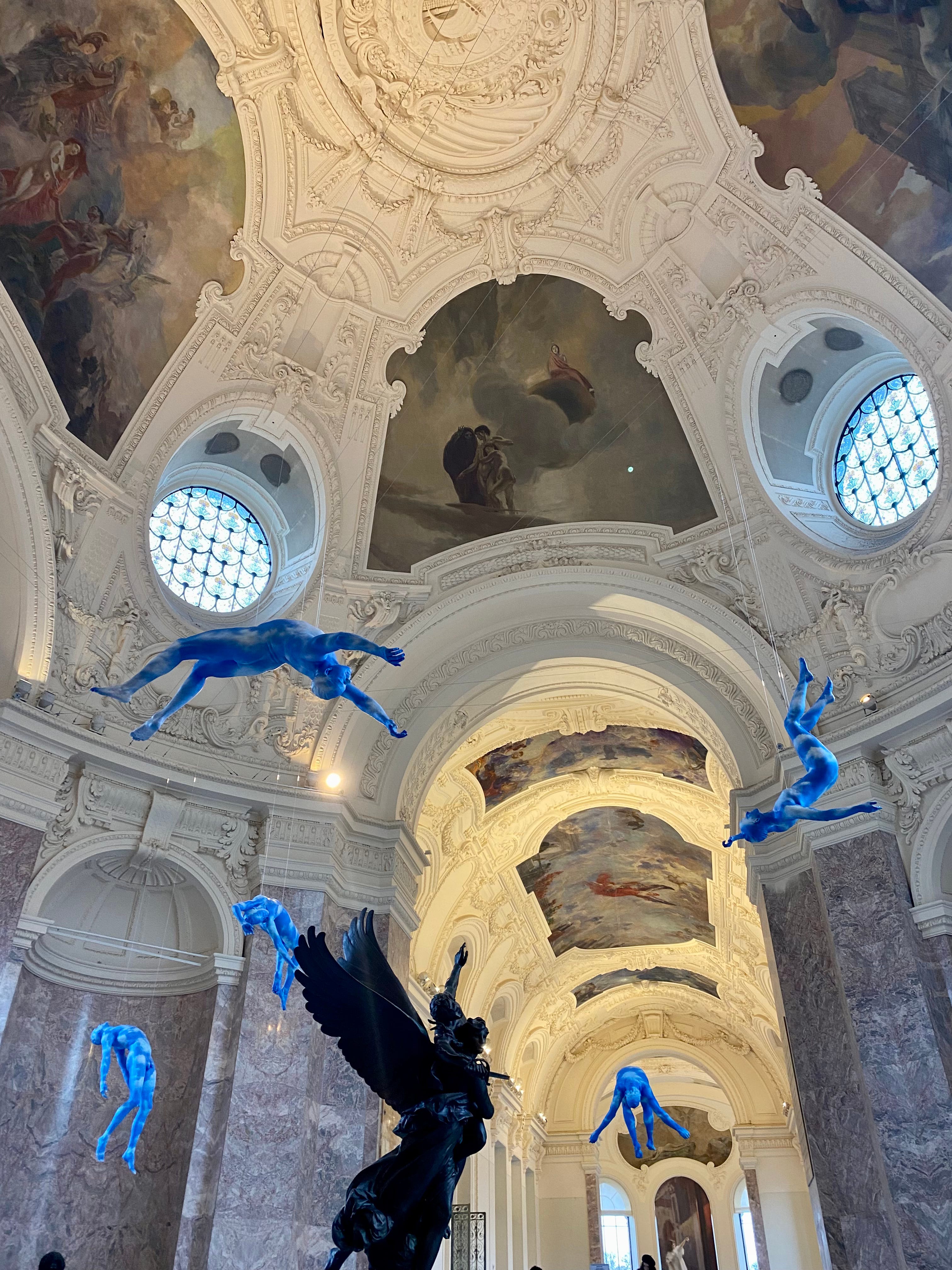
The Art of Living
Over the course of two years in Paris, I learned that French culture wasn’t just about drinking red wine at every opportunity and smoking cigarettes despite knowing that they’ll kill you, it is about L’Art de Vivre. About time, taste, and a deep belief that life, when lived well, is a kind of masterpiece in and of itself.
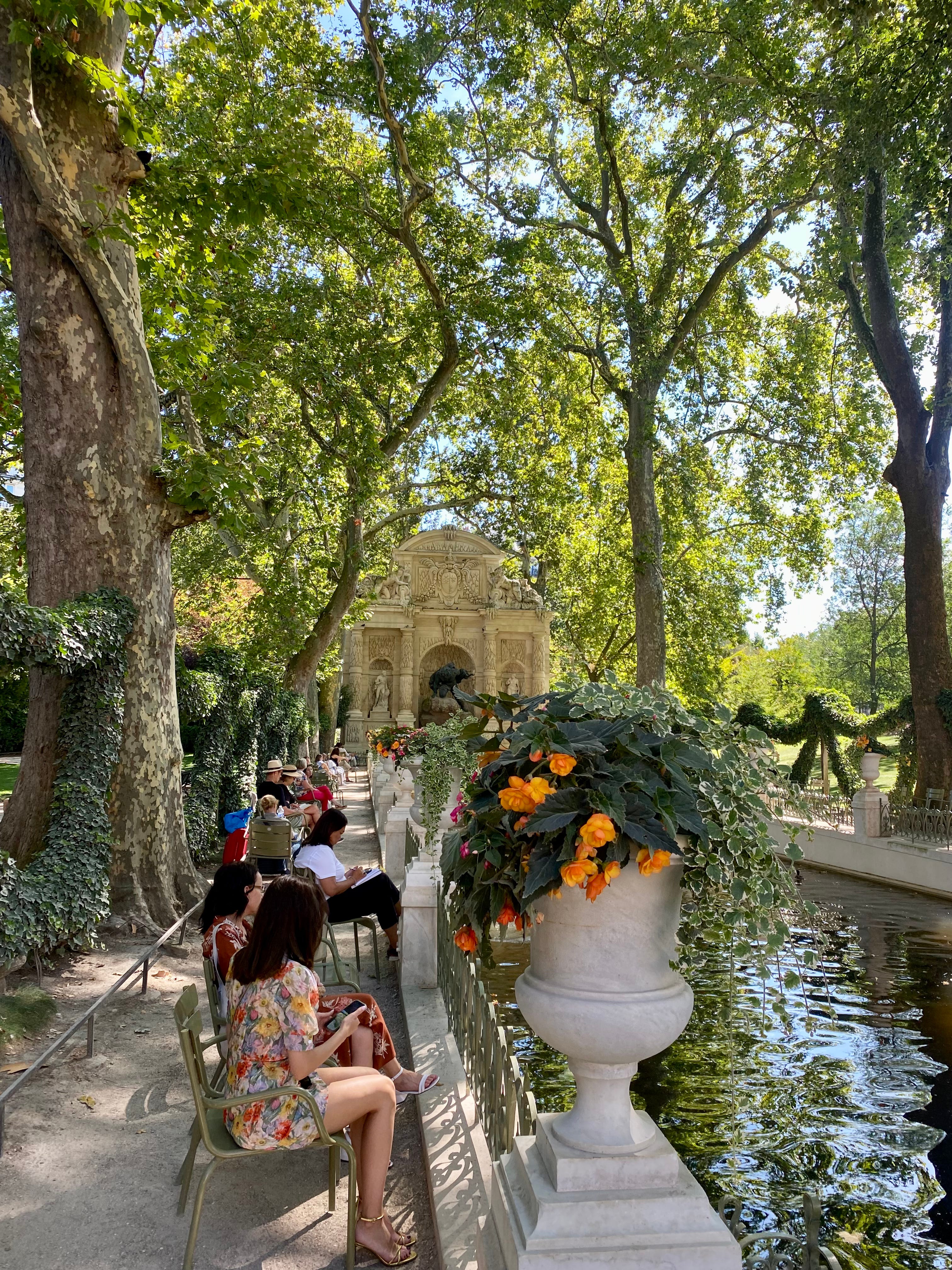
Ingrained in L’Art de Vivre is the philosophy that if you treat your life like art, it will adopt art-like qualities. Cause and effect: surrounding yourself with beauty elicits a sense of inner beauty. I wonder if this is why tourists feel so chic in Paris. Like a river flows downhill, walking around the city, with its Haussman buildings, sculptural gardens, and grand plane trees, you can’t help but feel glamorous. Buried within this framework is advocacy for building little excuses for charm into your day to day.
The Illusion of Effortlessness
It is a foundational French principle that the illusion of effortlessness is created through simplicity: simple products, simple materials, simple accessories. Putting your trust in simplicity will allow effortlessness to trail you like the silage of an expensive parfum and cultivate the irresistible sense of je ne sais quoi the culture commands. Unfortunately, I am a maximalist at heart, so simplicity in style is hardly my favourite French fixation. Nonetheless, in Paris I learnt that the concept of placing quality over quantity and trusting the basics extends to makeup, beauty, and personal care, too. Simple, often unsexy, products that work come first. If in search of evidence, look to the prevalence of pharmacy culture in France (versus American clamouring for Sephora Sale “must haves”, for example). As any good student must, I dutifully folded this learning into my consumption habits and am pleased to report that my skincare and makeup routines have simplified dramatically—and my skin has never been happier.
The Pursuit of Taste
Good taste is the ultimate pursuit, the French taught me. “Good taste” in the way you curate your space, your style, and your palate. Call it superficial, but the way you present yourself to the world is important; it is a means to tell others who you are without saying a word, if nothing else. As such, character, style, design, and craftsmanship are paramount, and vintage is très chic.
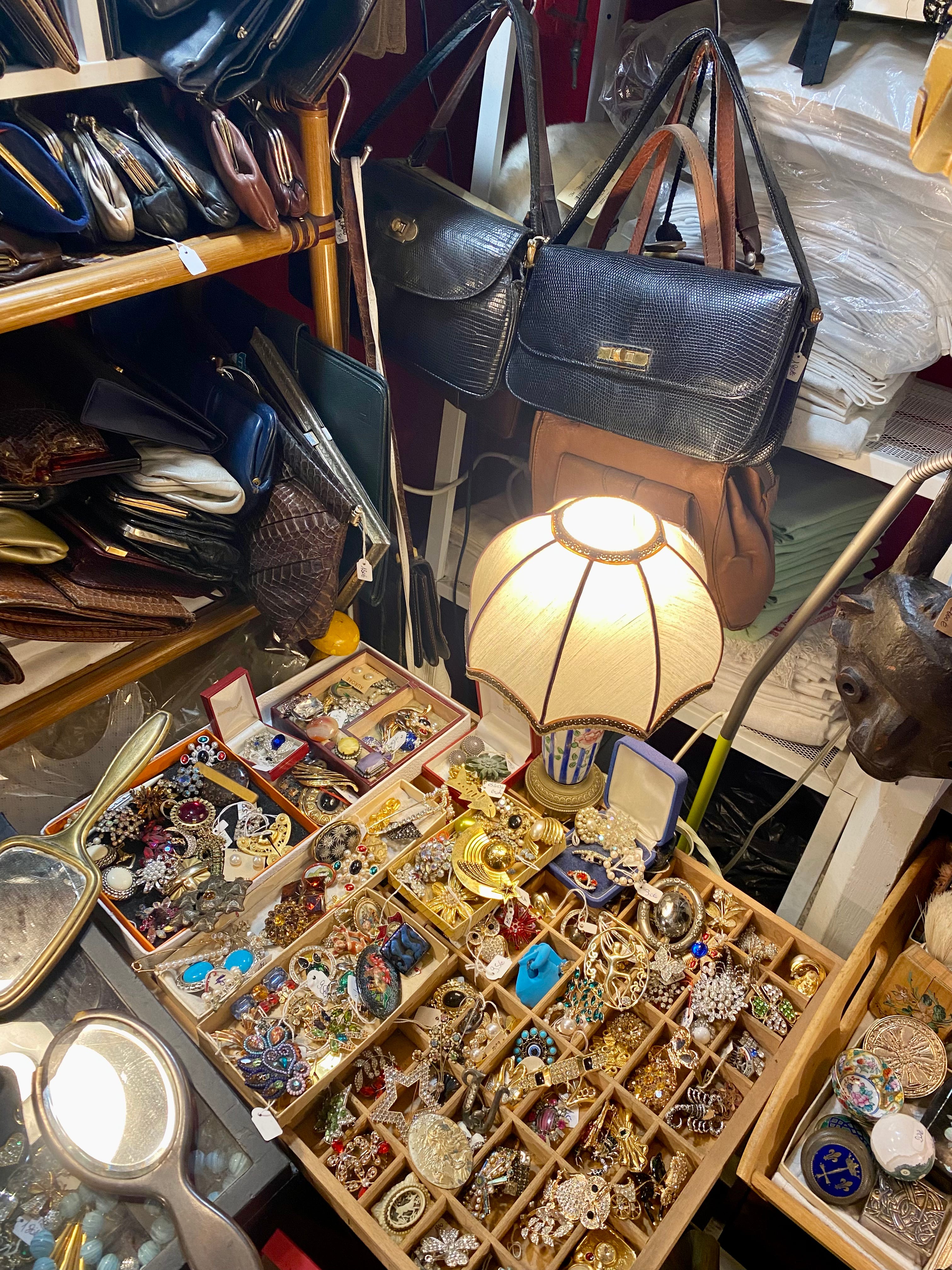
France has an extensive artisanal heritage, of which they are very proud, and from it you can’t help but ingest an appreciation for quality and the understanding that things should be both made and bought to last. Take care with the composition of your clothes, the pieces you invest in, the brands you wear.
Beyond personal style, good taste extends most socially to the art of conversation. In France, it is imperative to be equipped with at least basic opinions about art, philosophy, and literature—you never know when the conversation might be sprung upon you. In fact, the tendency to philosophise is ingrained in the day to day. You will, sans doute, be judged on how deeply you are able to converse. Inextricably—blame it on maturation, pretension, or perhaps the French influence—I have found myself now doing the same with others.
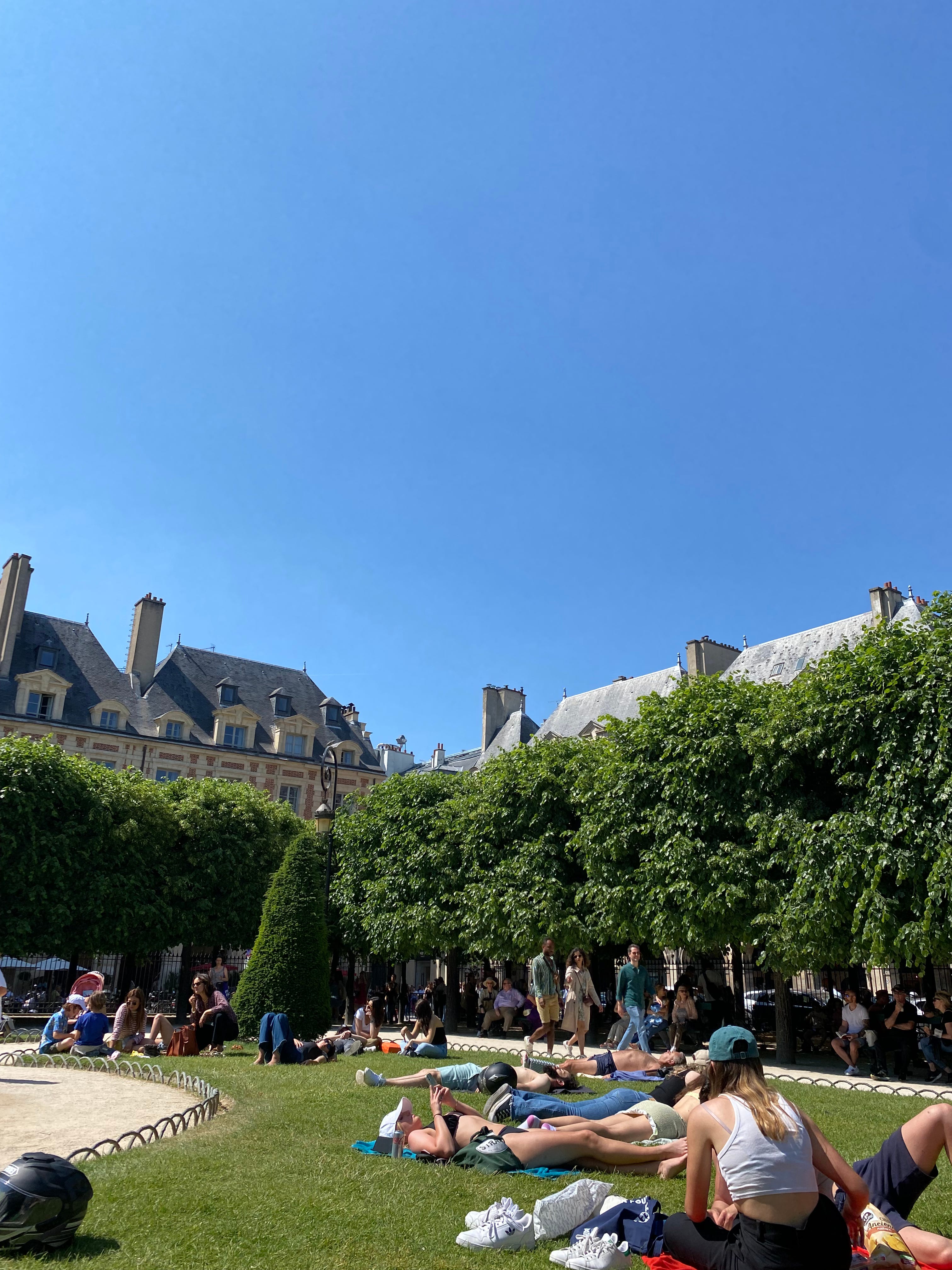
Similarly, I left Paris with the distinct impression that the only acceptable literature to read are the classics. In the dry heat of a Paris summer, you will be encouraged by the natural order of things to take a book to read in Place des Vosges, but I caution you not to bother if it’s not a classic. An invisible force (the hegemonic hand of L’Academie Francaise) will find some cause to deter you—the reminder of an urgent errand to run, a sudden craving for a lunchtime siesta from the cool comfort of your bed, and so on.
While the cultural emphasis on the active expansion of intellectual capital is by no means a bad thing, I find its perseverance fascinating in comparison to that of Western allies, where it feels that the pursuit of intellectualism has long been in decline (go read ayan artan’s piece In Defense of Pretension if you haven’t already).
The Joy of Eating
Americans will often go to France and make the claim that calories don’t count in Europe. Of course they do, but the difference is that no one is counting them, or at least, it is considered deeply un-chic to do so. At my workplace in New York, it is impossible to go a day without hearing someone referring to their diet. This is not only exhausting, but also deeply uninteresting. Please, in this sense at least, be more like the French. Pleasure is not a guilty word. In fact, it may just be the whole point.
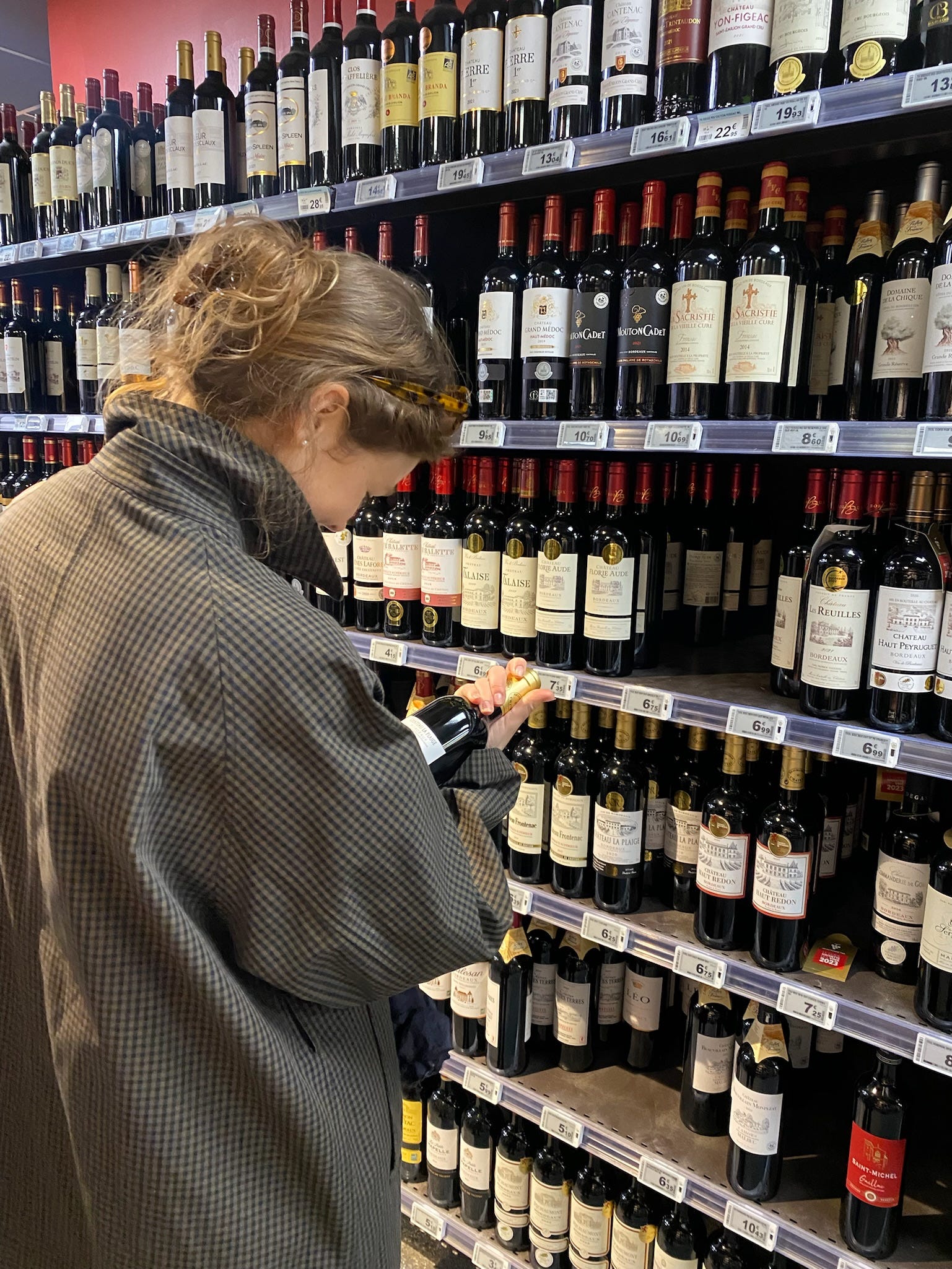
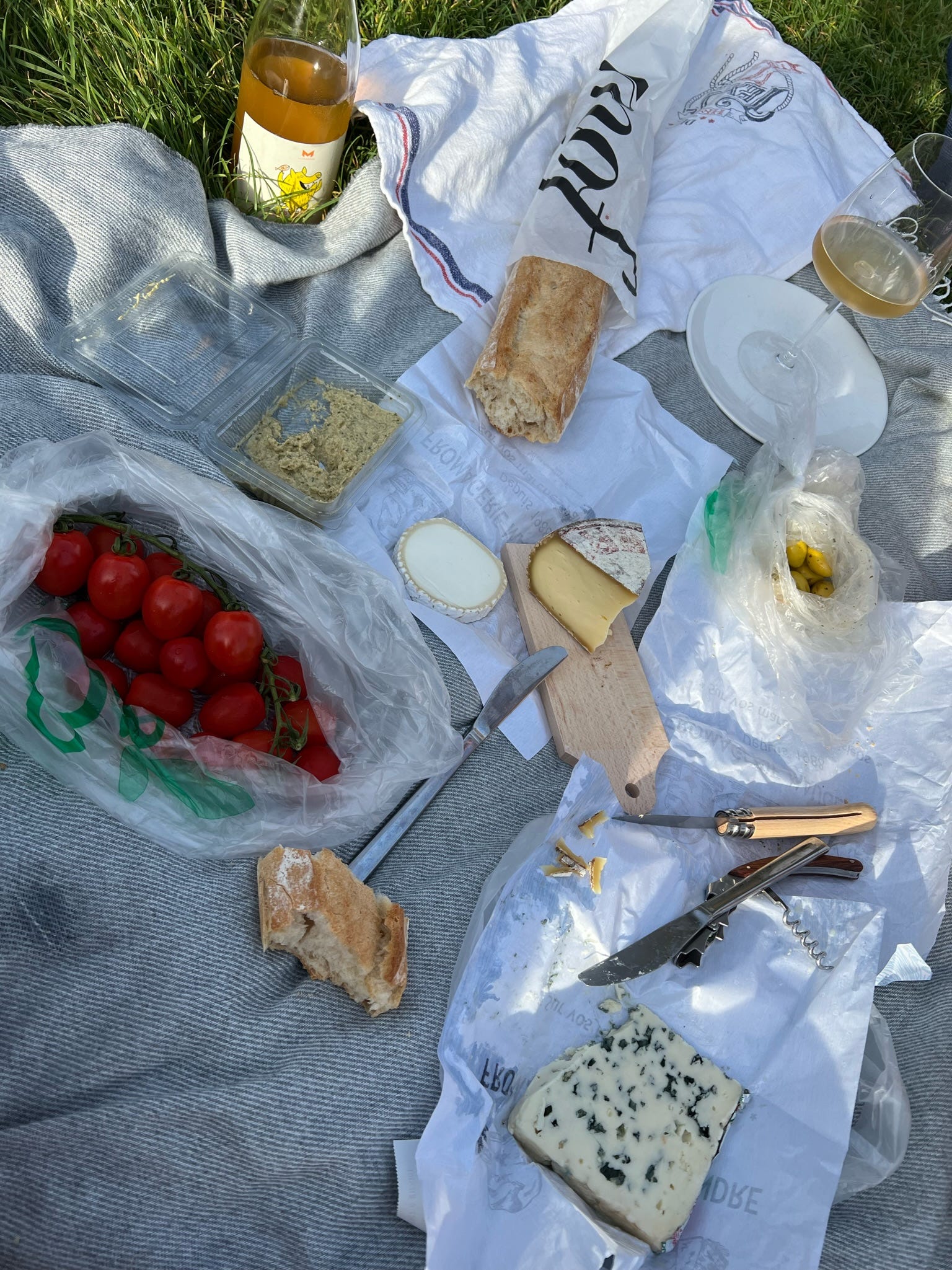
Well-documented though it may be, the French appreciation for the pleasure of food is infectious, as are a few of their gastronomic commandments. Wine and cheese should be eaten both casually and regularly. Drink slowly and not in excess. Wine is to be enjoyed for the richness of its taste, not for the effects of the alcohol it contains. Eat slowly and sit down to eat. Food is to be celebrated. And so on and so forth. While I am fortunate to hail from a family already well-versed in many of these practices, it is, as mentioned, a thing apart to experience for yourself. Coming home from work, I would occasionally buy myself a bottle of red wine and a few cheeses to enjoy after dinner, and can personally attest to the fact that simple indulgences make life a little bit more divine. In France, you learn that the language of love is spoken and shared through good food.
“The croissant was crisp and soft and flaky at the same time. Just biting it made you feel cared for.” — The Idiot, Elif Batuman
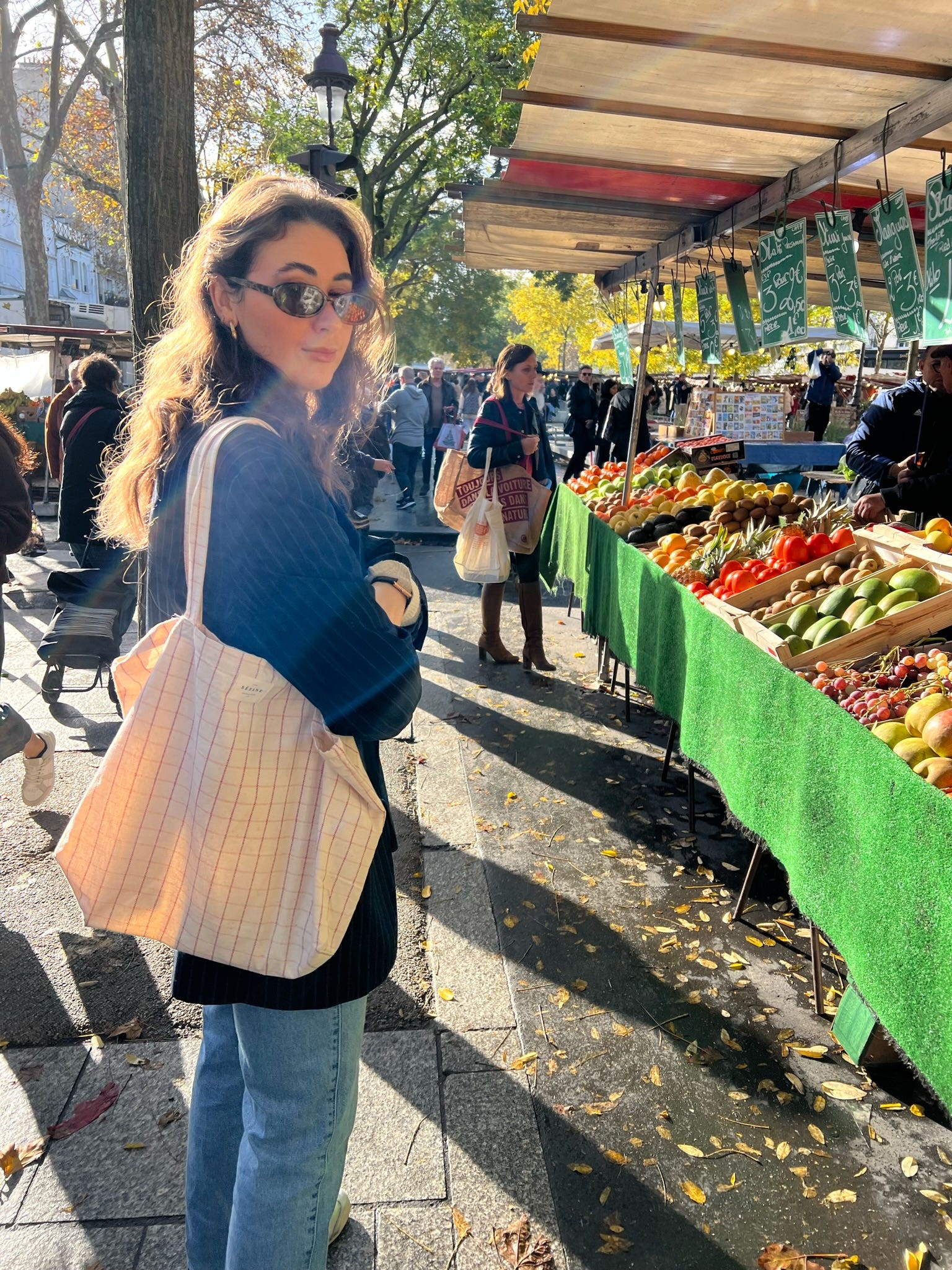
Naturally, good food comes from good produce. As such, shopping from farmer’s markets is incredibly popular and, alongside offering better quality, they’re often cheaper than supermarkets. Living in Paris, I quickly learnt to do my weekly food shop every Sunday at Marché Bastille. Doing so taught me another commandment of French cuisine: to eat at the whim of the seasons. As someone who enjoys cooking, I found that buying seasonal produce was far more inspiring than challenging, and it encouraged me to get more creative with using different fruits and vegetables at different times of year as opposed to rotating the same few go-tos year-round. Sadly, it’s no longer feasible for me to shop at farmer’s markets every week in New York, but the habit of eating seasonally has stuck.
To read about the myriad delights of French gastronomy, look no farther than The Paris Novel by acclaimed food writer, Ruth Reichl.
Secrets, Shame & Sensuality
One of the most interesting and unexpected ways I saw the influence of French culture was in its relationship with secrets, and its indifference towards shame. This was less of a lesson I was taught explicitly and more something I grasped from eavesdropped conversations and watching women on the Métro with lipstick slightly smudged.
I learned that a woman is not expected to disclose everything. In fact, a well-kept secret is often part of her allure. There is a reverence for the private self, a permeating air of deference for the part of you that no one else knows. A past fling, a failed job, a crushing heartbreak—these things aren’t meant to be aired out or explained. French women don’t apologize for their appetites, their age, or their ambition. There is something radical about that kind of self-possession.
In Paris, I learnt to hold things back. To let certain moments exist just for me. To know that privacy isn't secrecy, and secrecy isn't shameful. Maybe that’s what makes French women so captivating: they refuse to be entirely knowable, and they do so without guilt.
The Immeasurable Value of Time
In total opposition to America hustle culture, the French say prenez le temps. Far beyond a throwaway imperative clause said with a cigarette in hand and a baguette in the other to the pride of French teachers everywhere, the expression encapsulates what I perceive to be the heart of French culture. Take your time. Go slowly. Find pleasure in the ordinary and learn to pepper it through your everyday. Linger in restaurants. Walk the long way. The word flâner comes to mind, too. To wander. Walk without a purpose or build in extra time to do so.
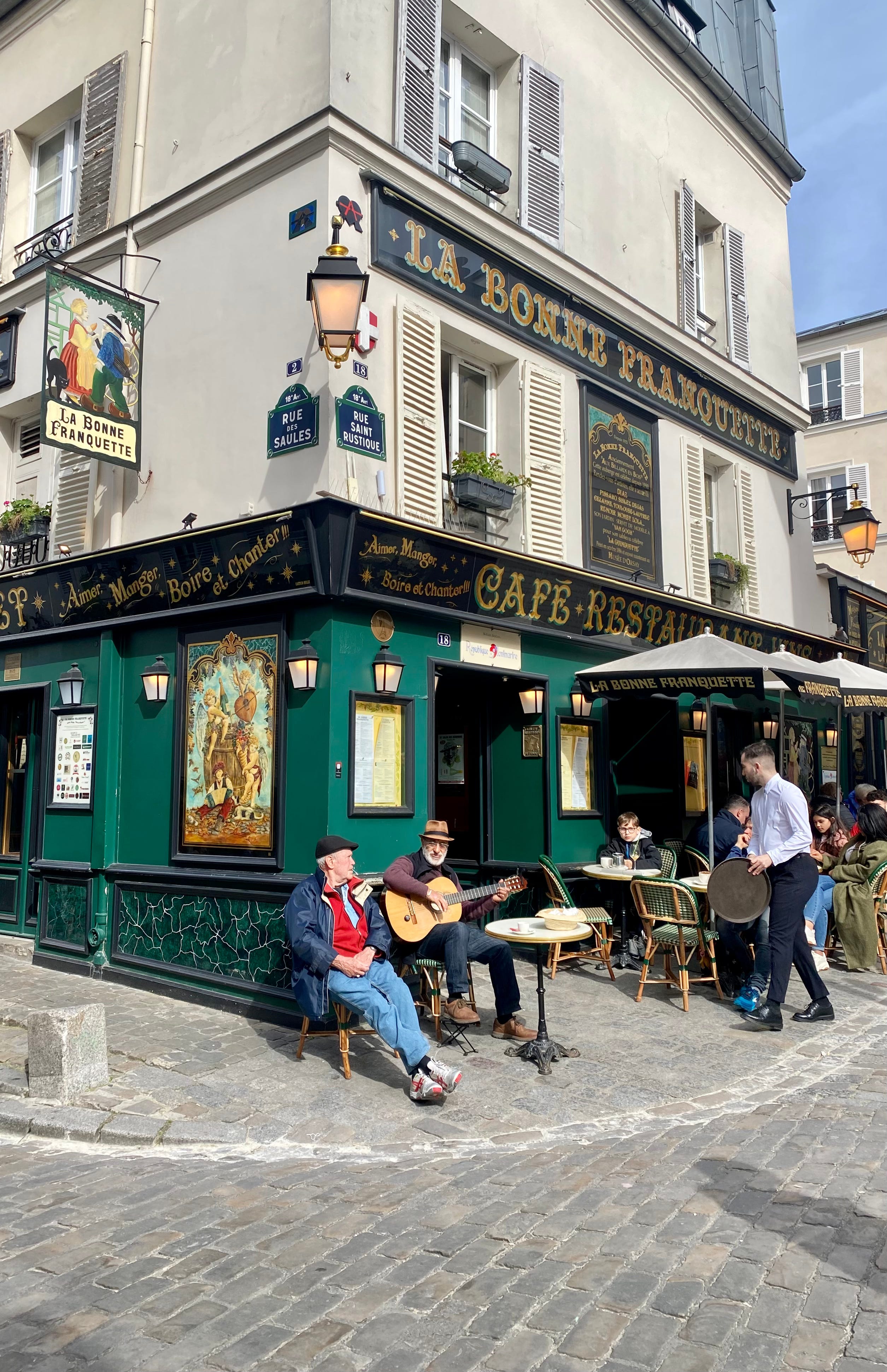
Convenience is notoriously a non-factor in France, and many hold the belief that modern day conveniences are not always optimal in the long-term. Returning to work in the US, I realise how much I miss when things were a little less convenient, a little more human. The realisation that not everything has to be done in the most efficient way might be laughably French, but it is also unassumingly wise.
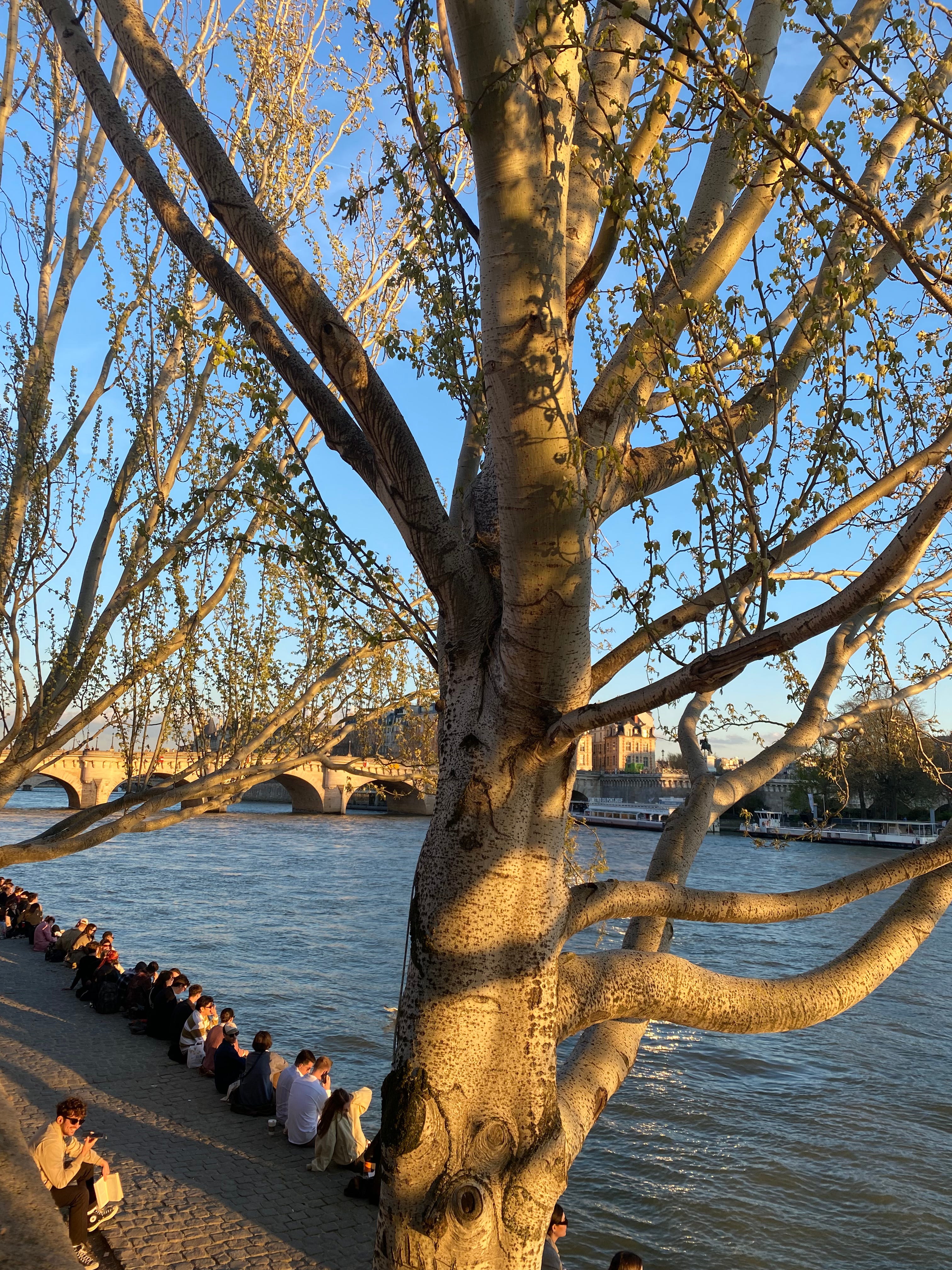
In France, the saying goes that you work to live, you don’t live to work—a cultural expression that could not be less American if it tried. Allow me the authority of confirming that, yes, the rumours are true. If you work in France, you will have at least an hour, if not two, for lunch every day. The philosophy, as I understand it, is that money is not the most important thing by a long stretch. Time, for example, is valued far more highly, for once a moment has passed, it’s gone forever. While I tend to lean slightly more American when it comes to professional ambition and the value I place on my career, there is still so much I learnt from the French in this regard. I know to prioritise a work-life balance—to step back after a long day and trust that I’ve done my best. While professional success is very, very important to me, it is not all of me.
En somme, Paris taught me that beauty isn’t always loud and pleasure isn’t always fast. I have been in New York for just over a year now, and though I might move more quickly, I try to live slowly: leaving room for the long way home and the occasional mid-week Roquefort.
great post. i lived there on & off for six years before moving to park city. i love PC, but paris will always have my heart. ❤️
I'm going to Paris this summer and this got me sooo excited! It is my favorite place in the world!